How to Prepare for Your DOT Physical Exam
Practical steps CDL drivers can take in the 30 days before their DOT physical to improve their chances of a 2-year certificate.
Quick Answer: Start preparing at least 30 days before your DOT physical. Focus on blood pressure, sleep, and gathering your medical records. Most drivers who fail do so for preventable reasons, high BP being the top one.
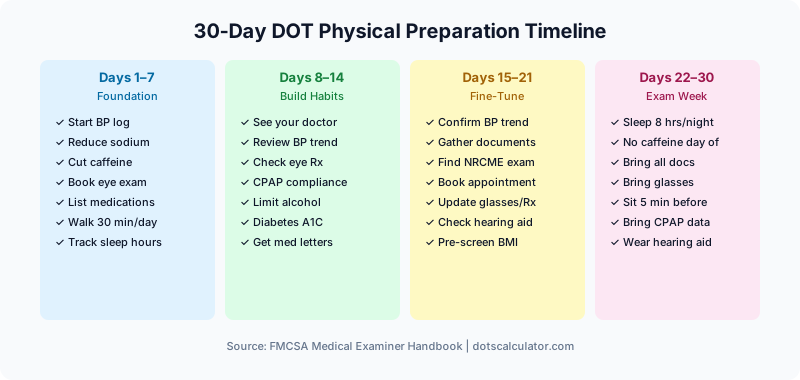
Why Preparation Actually Matters
A DOT physical isn't like a standard checkup where you show up and the doctor just notes what's there. The FMCSA medical examiner is checking whether you meet the fitness standards in 49 CFR 391.41, and if you fall short on any one of them, you either get a shortened certificate or you don't get one at all.
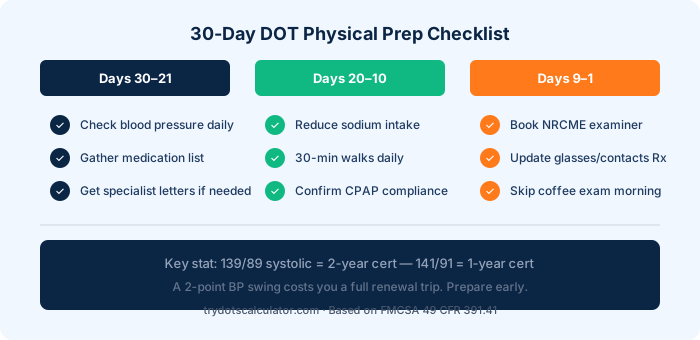
The difference between a 2-year medical certificate and a 1-year (or 90-day) comes down to numbers. Blood pressure is the biggest variable most drivers can actually move in 30 days. A reading of 139/89 gets you 2 years. A reading of 141/91 gets you 1 year. That's a two-point swing that costs you a renewal trip.
Use our DOT physical eligibility checker to run your current numbers before you book the appointment. It takes 30 seconds and shows you exactly which category you're in based on FMCSA thresholds.
The 30-Day Countdown: What to Do
Days 30–21: Get your numbers and records together
Pull out your current medications list, generic names, dosages, prescribing doctor, and what condition each one treats. The examiner will ask. If you have insulin-treated diabetes, a sleep apnea diagnosis, or a history of heart conditions, you'll need documentation from your treating physician confirming your condition is stable and that you're cleared to drive commercially.
Check your blood pressure at a pharmacy kiosk or with a home cuff for several days in a row. If it's running consistently above 140/90, you have time to work on it. Don't wait until the night before.
Days 20–11: Address the controllable factors
Blood pressure responds to a few things within weeks: sodium reduction, consistent sleep, cutting back on alcohol, and moderate exercise. You don't need to run marathons, a 20-minute walk each day can drop systolic BP by 4–9 mmHg over a month according to the American Heart Association.
If you're on BP medication and it's been working, make sure you take it as prescribed in the days leading up to your exam. Don't skip doses thinking the examiner won't notice, white-coat hypertension is real, but uncontrolled BP is worse.
For sleep apnea: if you already have a diagnosis and use a CPAP, bring your compliance data (most machines generate a report). Examiners look for 70%+ nightly use over the past 30 days. If you're not hitting that, get back on track now.
Days 10–4: Prep the practical stuff
- Book the exam with an NRCME-certified medical examiner. You can verify certification at the FMCSA's National Registry at nationalregistry.fmcsa.dot.gov.
- Bring your glasses or contacts if you wear them. The vision requirement is 20/40 corrected in each eye, if your prescription is outdated, get new lenses before the exam.
- If you have hearing aids, bring them. The whisper test requires you to hear a forced whisper at 5 feet.
- Bring a urine sample if you prefer (you'll provide one on-site anyway), it's tested for glucose and protein, not drugs (that's a separate DOT drug screen).
Days 3–1: The basics that sound obvious but get skipped
Don't eat a heavy, salty meal the night before. Don't drink a lot of coffee the morning of the exam, caffeine raises blood pressure temporarily. Get 7–8 hours of sleep. If you smoke, at least skip the cigarette right before you go in.
Wear comfortable clothes. The examiner will check your vision, hearing, blood pressure, heart, lungs, abdomen, and spine. This is a real physical exam, not just a form-signing session.
What the Examiner Is Actually Checking
Most drivers know about blood pressure but don't realize how much else goes into a DOT physical. Here's the full list from 49 CFR 391.41:
- Vision: 20/40 or better corrected in each eye; 70° field of vision in the horizontal meridian
- Hearing: Forced whisper at 5 feet (or audiometric equivalent)
- Blood pressure/heart rate: See DOT blood pressure requirements for the full breakdown by stage
- Urinalysis: Screening for glucose (diabetes indicator) and protein (kidney issues)
- Physical exam: Heart, lungs, abdomen, musculoskeletal, neurological
If you have a condition the examiner flags, diabetes, seizure history, vision deficiency, cardiovascular disease, they may require specialist clearance before issuing a certificate.
Common Reasons Drivers Don't Get a 2-Year Certificate
According to FMCSA data and patterns from NRCME examiners, the most common issues are:
- Blood pressure stage 1 or 2, Results in 1-year or 90-day cert instead of 2-year
- Uncontrolled or newly diagnosed diabetes, May require endocrinologist clearance
- Sleep apnea risk factors, High BMI, neck circumference over 17 inches (men), or reported snoring can trigger a referral
- Vision that doesn't meet 20/40, Outdated prescription is the usual culprit
- Missing documentation, Not bringing records for a known condition
Read through the DOT disqualifying conditions post for a full rundown of what can result in a disqualification vs. a short-term certificate.
If Your Blood Pressure Is Borderline
This is worth its own section because it affects so many drivers. If your home readings are consistently in the 135–145 systolic range, you're right at the boundary between a 2-year and 1-year cert.
A few things that can bump your reading up on exam day: anxiety, caffeine, a full bladder, a cold exam room, or even the act of sitting still after rushing in. These are all real effects, not excuses.
Ask the examiner to take two readings with a 5-minute rest between them. Most certified examiners will do this. The lower of the two can be used. If you've been working on your BP and have home readings to show, bring them, some examiners will take note.
If BP has been your recurring issue, look at the tips for lowering blood pressure before your DOT exam post before your next appointment.
Preparing If You Take Prescription Medications
Bring a complete medication list. The examiner needs to know what you're taking and why, they need to assess whether the medication itself or the underlying condition affects safe driving.
Most common medications are fine. Exceptions that require closer review: insulin (requires FMCSA exemption program), metformin alone (typically fine), anti-seizure medications, certain sleep aids, and opioid pain medications. If you're unsure about a medication, call the FMCSA at 1-800-832-5660 or check the Medical Examiner Handbook.
Running Your Numbers Before You Go
Before you book anything, run your current numbers through the DOT physical calculator. Enter your blood pressure, BMI, vision, and other factors to see where you stand against FMCSA thresholds. It won't replace the actual exam, but it'll tell you whether you're likely to walk out with a 2-year cert or whether you've got some work to do first.
This calculator exists so drivers know exactly what the standards are before the exam, not after. For blood pressure specifics, our DOT blood pressure guide covers every stage and what it means for your cert length.
The exam itself is not complicated if you know what's coming. Most drivers who prepare even 2–3 weeks in advance walk out with their certificate the same day. Don't leave it to chance.