DOT Blood Pressure Requirements: What CDL Drivers Need to Know
The FMCSA uses four BP stages to determine your cert length. Know the thresholds, 140/90, 160/100, 180/110, before you walk into the exam room.
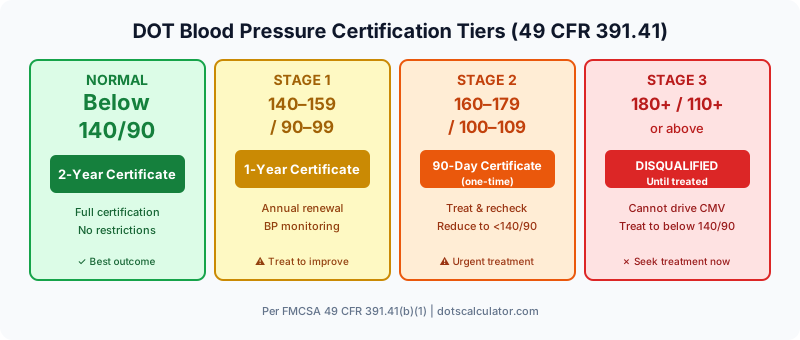
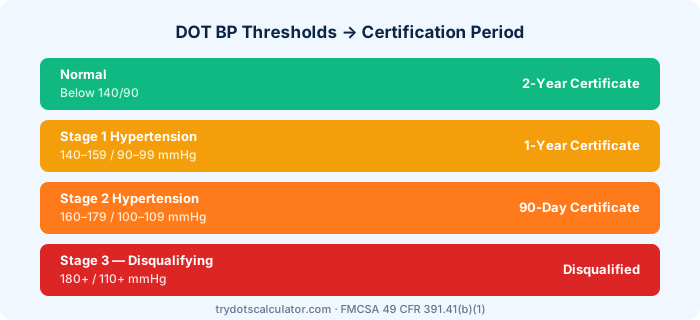
Quick Answer: Blood pressure below 140/90 gets you a 2-year DOT medical certificate. Between 140–159/90–99, you get 1 year. Between 160–179/100–109, you get 90 days. At 180/110 or above, you're disqualified until BP is controlled.
The Four Stages, and What Each One Means for Your CDL
The FMCSA doesn't just pass or fail you on blood pressure. It uses a tiered system, and where your reading lands on exam day determines how long your medical certificate is valid. Here's the breakdown from 49 CFR 391.41 and the FMCSA Medical Examiner Handbook:
| Stage | Systolic | Diastolic | Cert Length |
|---|---|---|---|
| Normal / Stage 1 | Below 140 | Below 90 | 2 years |
| Stage 2 | 140–159 | 90–99 | 1 year |
| Stage 3 | 160–179 | 100–109 | 90-day temporary |
| Disqualifying | 180+ | 110+ | No cert issued |
One number being elevated is enough. If your systolic is 165 but your diastolic is 88, you're still in Stage 3. The higher stage applies.
Use the DOT physical calculator to check which stage your current BP puts you in, it applies the exact FMCSA thresholds and tells you what cert length to expect.
Stage 2: The One-Year Certificate
Stage 2 is the most common non-2-year outcome. You're not disqualified, but you do have to come back a year later instead of two. For long-haul drivers, that's an extra trip to the examiner's office and an extra fee.
If you're in Stage 2 at your exam, the medical examiner will typically recommend BP treatment or adjustment of existing treatment. At your follow-up exam a year later, if your BP is below 140/90, you can get the 2-year cert. If it's still in Stage 2, you get another 1-year cert. If it's climbed into Stage 3 or above, that's a different problem.
A reading of 158/98 and a reading of 140/90 are both Stage 2, but they're meaningfully different. Work on getting your BP down to the Stage 1 range, not just staying within Stage 2.
Stage 3: The 90-Day Temporary Certificate
At 160–179 systolic or 100–109 diastolic, the FMCSA allows an examiner to issue a one-time 90-day certificate. The word "one-time" matters, this is not a repeating option. You can receive this temporary certification only once for a Stage 3 reading.
During those 90 days, you're expected to get your BP treated and under control. If you come back at the 90-day mark and you're below 140/90, you can receive a standard 2-year cert. If you're in Stage 2, you get the 1-year cert. If you're still in Stage 3 or above, you're disqualified.
The intent is to give drivers a window to address a treatable condition without losing their livelihood immediately. But it's not a free pass, the clock is ticking from the day the certificate is issued.
Disqualifying BP: 180/110 and Above
At 180 systolic or 110 diastolic, no certificate can be issued. You're disqualified until BP is brought under control and verified by a medical examiner.
This isn't permanent, it's a medical disqualification, not a regulatory ban. Once you've worked with your doctor to get BP consistently below 160/100, you can return for re-examination. Many drivers in this situation go on antihypertensive medication, get their BP down within 4–8 weeks, and return for their exam.
If you've been disqualified for BP before, the medical examiner may want documentation from your treating physician showing BP control before they'll issue a certificate.
Why Blood Pressure Spikes on Exam Day
"White coat hypertension" is a well-documented phenomenon where BP is higher in a clinical setting than in everyday life. Estimates suggest 15–30% of people experience it to some degree. For CDL drivers, this matters because the exam reading is what counts, not your readings at home.
A few things that push BP up temporarily:
- Caffeine in the 2–3 hours before the exam
- Not urinating before the cuff goes on (full bladder can add 10–15 points)
- Rushing to the appointment or feeling stressed
- Cold temperature (vessels constrict)
- Heavy, salty meal the night before
Arrive 10 minutes early and sit quietly. If you're nervous, tell the examiner. Most NRCME-certified examiners will take two readings with a rest period between them and use the lower one. Some drivers bring documentation of home readings to provide context, though the examiner isn't required to use them.
If You're Already on BP Medication
Being on antihypertensive medication is not a disqualifier. What matters is whether your BP is controlled on that medication. Take your medication as prescribed in the days before your exam, do not skip doses thinking you'll get a lower reading.
If your medication isn't keeping your BP below 140/90, talk to your doctor before the exam, not after. Adjusting a medication or adding a second one takes time to show effect, typically 2–6 weeks depending on the drug class.
Bring your full medication list to the exam. The examiner needs to know what you're taking, the dose, and why. Beta-blockers, ACE inhibitors, calcium channel blockers, and diuretics are all commonly used and none of them automatically affect your CDL status.
What Happens If Your BP Changes Between Exams
If your 2-year cert was issued when your BP was 135/85, but at your next exam it comes in at 162/104, you drop to a 90-day temporary certificate. Your cert length resets based on your current reading, you don't get credit for past good readings.
This is why drivers who've had borderline BP in the past benefit from monitoring it throughout the year, not just the week before the exam. Home cuffs cost $25–50 at any pharmacy and are accurate enough for tracking trends.
Check where your current numbers land with the FMCSA blood pressure eligibility tool, it shows your stage and cert period instantly.
The Connection Between BP and Sleep Apnea
High blood pressure and obstructive sleep apnea often go together. FMCSA guidance notes that untreated sleep apnea is a significant safety risk, and examiners are trained to screen for it when they see elevated BP, high BMI, or a large neck circumference.
If an examiner suspects sleep apnea, they can defer your certificate pending a sleep study. This isn't a disqualification, it's a hold until you get evaluated. If you're diagnosed with OSA and start CPAP therapy, you can be certified. Getting ahead of this before your exam by addressing sleep symptoms with your doctor is smarter than being caught off guard on exam day.
For drivers with a history of borderline BP readings, our post on how to lower blood pressure before your DOT exam walks through practical steps you can take in the weeks leading up to the appointment.
Preparing for Your Exam
If you haven't already, read through our full DOT physical preparation guide, it covers everything from gathering your medical records to what to eat the day before.
The bottom line on blood pressure: you know the thresholds now. Below 140/90 is where you want to be. If you're not there yet, you've got a clear target to work toward. Run your current numbers through the DOT medical certificate calculator to see your cert status, and talk to your doctor if you're in Stage 2 or Stage 3 territory.
The FMCSA's BP thresholds exist because elevated blood pressure is a real risk factor for cardiovascular events, including behind the wheel of a 40-ton truck. Taking it seriously isn't just about passing the exam. It is about staying upright on the road.