Diabetes and DOT Physicals: Can You Drive With Diabetes?
Driving with diabetes depends on how you manage it. Diet-controlled and oral-med drivers usually qualify. Insulin users need the FMCSA ITDM exemption.
The short version: Most commercial drivers with diabetes can pass their DOT physical. Diet-controlled and oral medication drivers typically qualify outright. If you use insulin, you need an FMCSA exemption, but thousands of drivers have successfully obtained one.
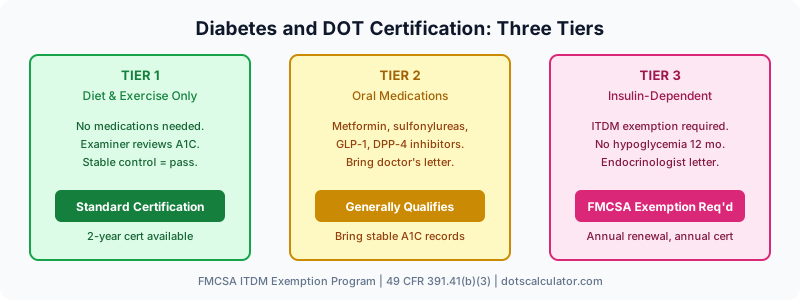
The Three Tiers of Diabetes and DOT Certification
Not all diabetes is treated the same under FMCSA rules, and that matters a lot when your medical card is on the line. The regulations break down into three categories based on how you manage your condition.
Diet and exercise only, If you control your blood sugar through food choices and physical activity alone, with no medication, you're treated almost like a non-diabetic driver. The examiner will check your A1C during routine bloodwork, and as long as your numbers look stable, this usually doesn't raise any red flags.
Oral medications, Drivers on metformin, sulfonylureas, DPP-4 inhibitors, GLP-1 agonists, or similar drugs typically qualify without issue. The examiner just needs to confirm you're not on insulin and that your condition is medically managed. Bring documentation from your treating physician showing your current regimen and most recent A1C.
Insulin-dependent (ITDM), This is where things get more involved. Federal regulations under 49 CFR 391.41(b)(3) historically barred insulin users from commercial driving. The FMCSA's ITDM Exemption Program changed that, but you have to apply and qualify, it doesn't happen automatically.
What the ITDM Exemption Actually Requires
The Insulin-Treated Diabetes Mellitus (ITDM) exemption program exists specifically for CDL holders who depend on insulin. It's not a rubber stamp, but it's also not out of reach for drivers who manage their condition responsibly.
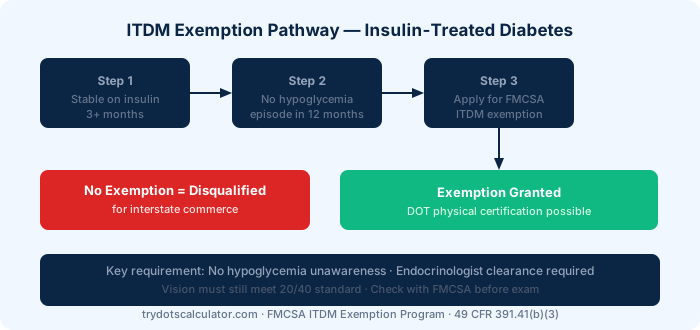
To qualify, you need at least 12 months of stable insulin use with no hypoglycemic episodes, defined as any episode requiring assistance from another person or involving loss of consciousness. Your treating endocrinologist or primary care physician must certify this in writing.
You'll submit your application to the FMCSA, which includes physician attestation, your treatment history, and documentation of blood sugar monitoring. The FMCSA typically takes 90 to 120 days to process applications, so don't wait until your card is about to expire.
Once approved, exemptions are valid for two years and require annual re-certification from your physician. You'll also need to check your blood glucose before driving, within one hour of coming on duty, and every four hours while operating a CMV.
Why the 12-Month Hypoglycemia Rule Is Non-Negotiable
The FMCSA draws a hard line here, and it makes sense when you think about what a hypoglycemic episode behind the wheel of an 80,000-pound rig could mean.
If you've had any episode in the past 12 months where you needed someone else's help to treat low blood sugar, a juice box handed to you by a coworker, glucagon from a family member, anything, you won't qualify for the exemption yet. The clock resets from that episode.
This isn't about punishing drivers. It's about demonstrating that your management regimen is dialed in enough that you can safely operate for extended periods without incident. Twelve months of clean records is the standard of proof the FMCSA set, and medical examiners on the National Registry can't waive it.
Use the DOT physical readiness tool to check your other qualifying factors while you work through the exemption process.
What to Bring to Your DOT Physical as a Diabetic Driver
Walking in prepared makes a real difference. Examiners see dozens of drivers and they're looking for complete documentation, don't make them guess.
Bring these with you:
- A letter from your treating physician on office letterhead, stating your diagnosis, current medications, most recent A1C result (ideally under 10%), and physician's assessment that you're medically fit to drive
- Your most recent lab work showing blood glucose and A1C, within the last 3 to 6 months is ideal
- If you use insulin: a copy of your FMCSA exemption certificate (required to drive; without it you cannot operate a CMV)
- A log of your blood glucose readings, especially if the examiner asks
Some examiners will request additional documentation or refer you to a specialist. That's not a denial, it's a "bring me more information." Comply promptly and follow up.
Blood Sugar the Day of Your Physical
This question comes up constantly: "What should my blood sugar be when I walk in?"
The short answer is normal. Aim for a fasting glucose between 80 and 130 mg/dL if you can. Don't eat a carb-heavy meal right before the exam, but don't fast to the point of hypoglycemia either.
If your blood sugar is very high the morning of the exam, say, over 300 mg/dL, the examiner may defer certification and ask you to come back when it's under control. This isn't common, but it does happen.
Bring your blood glucose meter and test strips. Some examiners will want to see a current reading. It also shows the examiner you're on top of your management, which counts for something.
Conditions That Can Complicate a Diabetic Driver's Physical
Diabetes often comes with other conditions that matter at a DOT physical. The examiner isn't just checking your blood sugar, they're looking at the whole picture.
Neuropathy, Peripheral neuropathy can affect your ability to sense the pedals and operate the vehicle safely. If you have significant loss of sensation in your feet, the examiner may request a functional assessment or refer you to a specialist.
Retinopathy, Vision requirements under FMCSA are 20/40 in each eye with or without correction. Diabetic eye disease that drops you below that threshold is disqualifying. An ophthalmologist's report showing your current vision status is useful to have on hand. See what disqualifies you at a DOT physical for the full list of vision cutoffs.
Cardiovascular disease, Diabetes significantly raises heart disease risk. If you've had a cardiac event, you may need additional cardiology clearance. The examiner reviews your heart health as part of the standard exam anyway, but disclosed history speeds things up.
If You're Denied or Deferred
Getting a deferral or an initial denial doesn't mean your driving career is over. It usually means one of three things: you need more documentation, you need specialist clearance, or you're currently outside the qualifying window (like the 12-month hypoglycemia rule).
Talk to your doctor immediately. Get the specific reason for the deferral in writing from the examiner. Then address each item methodically and re-apply.
You can also apply for a federal skill performance evaluation (SPE) certificate in cases involving physical impairment, though this is more common for limb conditions than diabetes specifically.
The figures in this guide come directly from 49 CFR 391.41 and the FMCSA Diabetes Exemption Program guidance. If you spot an error or an update we have missed, contact us and we will correct it.
Running Your Numbers Before the Appointment
Diabetes isn't the only thing that gets checked at a DOT physical. Your blood pressure, vision, hearing, and BMI all factor into the outcome, and any one of them can trip you up even if your diabetes is perfectly managed.
Before your exam, run your numbers through the DOT physical readiness calculator to see where you stand across all the criteria. It covers blood pressure categories, certification period projections, BMI, and more. It won't replace the exam, but it'll tell you what to focus on.
There's no reason to walk into a DOT physical blind when you can spend 90 seconds online figuring out exactly what you need to work on first.